Diabetes Mellitus:The words
are of Latin origin meaning "passing through" and "honey". DM is a metabolic
disorder characterized by elevated blood sugar, or glucose. In humans, DM is
classified as either Type I (also known as insulin dependent diabetes mellitus
(IDDM) or juvenile diabetes) or Type 2 (non insulin dependent diabetes (NIDDM)
or adult onset diabetes). Dogs are almost exclusively Type 1; therefore the
terms are not usually used. (Note: 30-50% of cats are Type 2).
Glucose: Simply put, think of glucose as
sugar. Specifically it is a type of
monosaccharide or "simple sugar". All sugars are types of carbohydrates. Table
sugar (sucrose or saccharose) is also a monosaccharide.
Glycemia:
blood sugar.
Hyperglycemia:
elevated
blood sugar levels. Usually measured in mg/dl.
Hypoglycemia:
decreased
blood sugar levels. This is often a dangerous, and potentially life threatening
situation. For more information see below.
Ketones: an energy source produced by the liver in
response to unregulated DM. Ketones are acidic and will lead to a severe
clinical syndrome
Causes and Symptoms of Diabetes Mellitus
Causes of DM
The main cause of
diabetes in dogs is an immune mediated destruction of the beta cells located in
the islets of Langerhans within the pancreas. The beta cells are responsible
for creating insulin. (Endocrine Pancreatic Disease)
Other causes include severe pancreatic inflammation
(pancreatitis), pancreatic cancer, obesity, progesterone interference in intact
(non-spayed) females and Cushing's Disease (hyperadrenocorticism). Other less
common causes also exist.
Signs of DM
This often depends upon how long the DM has been present
and whether or not other more serious complications have arisen. Often early
uncomplicated DM goes unnoticed until severe signs occur. Also these signs are
common to other diseases and their presence does not create a diagnosis of DM
by itself. Signs of uncomplicated DM include: increased thirst and hunger,
weight loss, and increased urine volume. Complicated DM (such as DKA(diabetic
ketoacidosis) or HHNK syndrome (hyperglycemic hyperosmolar non ketoacidotic
syndrome)) include: sudden shock or death, loss of appetite, vomiting, severe
dehydration, coma, and weakness, to list a few symptoms. DKA and especially
HHNK (or HHS)may have guarded to poor
prognoses.
Cushing's Disease
and EPI
Both of these disorders are associated with DM are often
found with a diagnosis of DM. Cushing's disease is a disease of either the
pituitary gland or the adrenal glands leading to excess cortisol (natural
steroid) production. EPI stands for Exocrine Pancreatic Insufficiency.
Simplified, the pancreas may be divided into endocrine (insulin producing) and
exocrine (digestive) portions. When the exocrine portion fails, maldigestion
occurs and the body stops releasing digestive enzymes into the intestines.
Weight loss and chronic diarrhea ensues. Separate blood tests are required for
diagnosing each of these disorders.
Dietary Considerations of Diabetes Mellitus
Natural L-Carnitine
There are many dietary characteristics that are important for dogs and cats with Diabetes. Most of the time a veterinarian will prescribe a specific diet for your pet upon diagnosis of diabetes.
Important characteristics
Fiber
Fiber can slow the absorption of glucose and help avoid high spikes of blood sugar
Controlled carbohydrates
A moderate restriction is important for dogs.
For Cats: many times a high protein and low carbohydrate diet has been shown to be beneficial. Many of these diets may be over 50% of protein on a dry matter basis (%DMB)
L-Carnitine
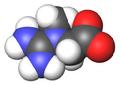
Many pets with diabetes are overweight. L-Carnitine has been shown to help maintain lean muscle while losing weight. L-Carnitine also helps muscles convert fat into energy and promote fat metabolism.
Antioxidants
Infection, among other problems, are a common concern with diabetics. It is important for diabetics to have antioxidants to help support the immune system.
Some common antioxidants for dogs and cats include:
Vitamin C
Vitamin E
Beta carotene
Selenium
Lipoic Acid
NOTE: It is not recommended to supplement these to your pet directly. Excess of some nutrients can cause serious disease.
Total calories
Maintaining a lean body mass will promote overall health as well as improve insulin response.
Fat restriction
Arginine
Diets that are high in arginine help promote a body's secretion of insulin.
Taurine
Taurine helps mainitain normal insulin activity and sensitivity
Treatment of Diabetes Mellitus
Treatment Options
Since dogs are almost exclusively Type 1 diabetes, all
dogs must be given insulin injections in order to manage our canine patients.
Vetsulin is the most common type of insulin used in dogs
currently. It is porcine insulin which is identical to canine insulin;
therefore it is readily tolerated by our canine patients. Human insulins differ
from the canine insulin by one key amino acid.
There are many types of insulin; so please ask a
veterinarian which type it right for your dog.
Food
Most veterinarians will prescribe special food for your pet. See more below.
Oral Hypoglycemics
In human medicine, there are many hypoglycemics; these
are geared towards Type 2 diabetics in general. As a result they generally do
not work in dogs. There have been no
oral hypoglycemics proved to remove the need for insulin injection in the
average diabetic canine patient.
Hypoglycemia -
IMPORTANT
Hypoglycemia, or low blood sugar, is potentially life
threatening situation. If too much insulin, too concentrated insulin is given
or if the pet misses a meal or is otherwise sick; the blood sugar can drop too
low leading to depression, seizures, and even death. Familiarize yourself with
the signs on the recommended websites. Karo syrup on the gums should be given
immediately on any hypoglycemic suspected pet. This should be followed by
calingl our hospital or an emergency hospital at once.
Monitoring
There are several methods for monitoring the diabetic
patient. They include: monitoring of clinical signs at home, urine and blood
tests at home, and urine and blood tests in the hospital.
Why monitor? Continual monitoring is important because it
is common for DM patients to require increased amounts of insulin over time.
Many factors can lead to a change in insulinrequirement. These may include: infections, weight change, other
concurrent diseases, many medications, change in activity level, etc...
At home monitoring
Any relapse of the signs of diabetes (see left) are
indication to contact us at once. Increased water consumption is often the
first sign of malregulation. For in house blood and urine testing, please ask
one of our veterinarians if this option is right for you and your pet.
Hospital Testing
Routine glucose curves (all day event), fructosamine
levels, glycosylated hemoglobin, basic blood and urine tests may all be
necessary to maintain your diabetic pet's health.
Glucose Curve Worksheet
The caninsulin website has a wonderful excel spreadsheet designed for European clients to perform glucose curves at home. I have downloaded the spreadsheet and provided it to the right. I have made one modification: I have switched the glucose units to the most common US standard units of mg/dl instead of mmol/l. For the original spreadsheet, just go to the caninsulin website provided below.
WARNING: Before attempting a glucose curve yourself, please make sure that you contact your veterinarian prior and have learned the proper method for obtaining blood glucose tests by a trained professional. Furthermore the spreadsheet provides a starting dose of insulin - DO NOT CHANGE YOUR PET'S INSULIN FROM WHAT YOUR VETERINARIAN HAS PRESCRIBED AND NEVER ALTER INSULIN DOSES WITHOUT CHECKING WITH YOUR VETERINARIAN PRIOR. This sheet is intended for demostrative purposes only and should NOT replace veterinarian advice ever.